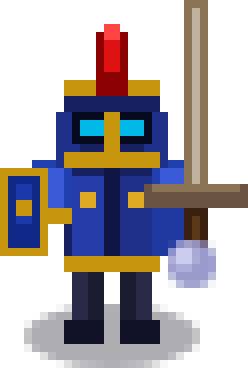
Warrior
Sword & Shield / Longsword
Frontline melee class. Sword & Shield keeps full HP and uses the Shield skill to block incoming damage. Longsword trades 20% HP and slower attack speed for longer reach and a Double Damage burst skill.
The biggest gameplay shift since launch. v2.0 replaced the single starting weapon with three classes, each with two subclasses and a unique active skill — six concrete survival plans instead of one.
Frontline melee class. Sword & Shield keeps full HP and uses the Shield skill to block incoming damage. Longsword trades 20% HP and slower attack speed for longer reach and a Double Damage burst skill.
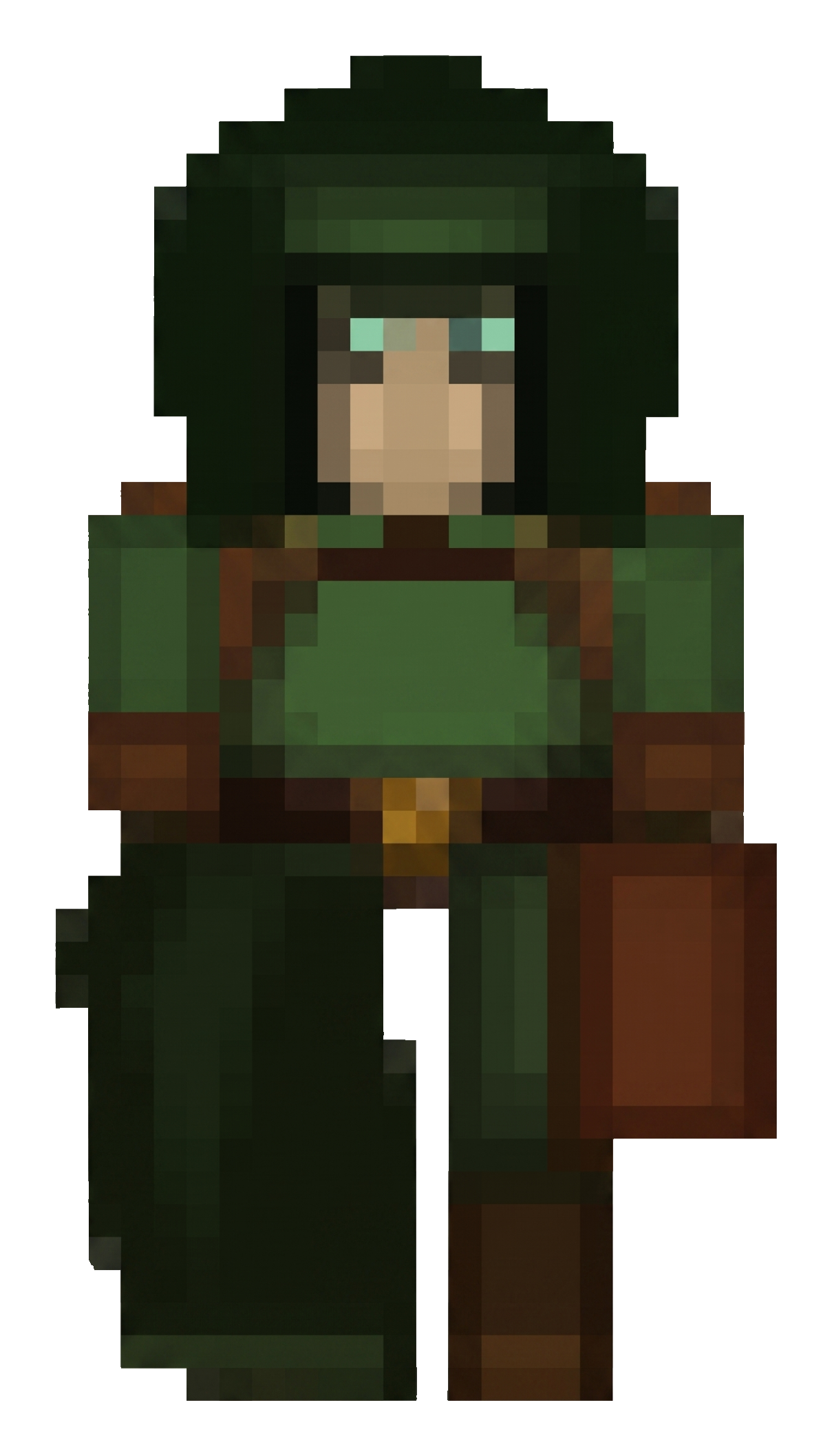
Ranged class. Bow has full HP and baseline damage. Longbow deals +20% damage, attacks 20% faster and fires faster arrows at the cost of 20% HP. Both share the Rapid Shot skill for burst pressure.
Elemental staff class. Both subclasses run on -35% HP and +10% damage. Fire Mage casts Fire Rain, Frost Mage casts Frost Rain — same mechanic, different element and feel.
Five or six classes would have been more variety, but they would have stretched the enemy and shop systems past what v1.2's room sizes could handle. Three classes with two subclasses each gave six distinct experiences while keeping every class playable on every floor.
The "shared skill, different stats" design for Archer and Mage was the cheapest way to make subclasses feel different without doubling the production work for v2.0.
Once classes existed, shop offers and chest weapon drops had to follow the player's chosen weapon path. A Longbow Archer should not get Sword upgrades in their shop and a Frost Mage should not pick up melee weapons. The weapon path system shipped alongside v2.0 to make this work invisibly.
v2.0 multiplied build choices but did not give players a way to make those choices stronger over a long run. Hence v2.1: the enchantment table, a per-run power system that any class could use without breaking class identity.